Are you navigating the frustrating cycle of inconsistent energy levels, persistent brain fog, or plateaued performance despite your best efforts? Many individuals striving for peak vitality encounter these common hurdles, feeling trapped in a state of 'good enough' rather than experiencing true metabolic mastery.
Imagine a strategic pathway to consistently high energy, mental clarity, and optimal physical function. This is the core promise of The Metabolic Switch: a profound framework for understanding and strategically manipulating your body's fundamental metabolic states. By mastering this switch, you can achieve unparalleled cellular energy balance, transforming how your body generates and utilizes fuel.
This comprehensive guide is your definitive playbook for advanced energy management and true human optimization. We will demystify the intricate science behind shifting your body's primary fuel sources, cutting through the common misconceptions to provide actionable strategies. Prepare to move beyond the limitations of inconsistent energy and unlock a sustained state of vibrant health and peak performance. Discover how to leverage your metabolism to redefine your potential for vitality.

The human body operates on a continuous, dynamic interplay of energy transformations, a complex dance governed by two fundamental biological processes: anabolism and catabolism. Far beyond mere definitions, grasping these foundational principles of metabolic biology is paramount for anyone seeking to optimize their health, longevity, and sustained energy levels. These two opposing yet complementary states dictate how our cells acquire, utilize, and store energy, forming the bedrock of all cellular fuel dynamics. For high-performance individuals, understanding this intricate balance is not merely academic; it unlocks strategic insights into maximizing physical repair, cognitive function, and resilience against daily demands. It is a time-tested principle that these biological laws govern every aspect of our energy economy, influencing everything from muscle growth to stress adaptation.
Anabolism represents the constructive phase of metabolic biology, where simpler molecules are synthesized into more complex ones. This is the body's imperative for 'building up' and 'restoring' itself. Key anabolic processes include protein synthesis, which is crucial for tissue repair and the development of new muscle mass, and the creation of glycogen and triglycerides for energy storage. Triggers for anabolism often include adequate nutrient intake—particularly protein and carbohydrates—and specific hormonal signals like insulin, growth hormone, and testosterone, all driving essential growth pathways. Far from being a luxury, robust anabolic capacity is directly linked to long-term healthspan and sustained physical and cognitive performance. It ensures the constant renewal of cellular structures, bolstering resilience and adaptability. Without sufficient anabolic activity, the body cannot effectively recover from stress, injury, or exercise, leading to diminished function and accelerated aging processes.
Conversely, catabolism is the destructive phase, involving the breakdown of complex molecules into simpler ones, releasing energy in the process. This is the body's 'break down and energize' strategy, essential for immediate fuel utilization. When energy is needed, whether for a sudden burst of activity or to maintain basal metabolic functions, catabolism breaks down stored glycogen (via glucose metabolism), fats (via fat oxidation), and even proteins to provide ATP, the universal currency of energy production. This process is triggered by energy demand and hormonal signals such as glucagon, adrenaline, and cortisol. Often misunderstood and sometimes demonized, catabolism is vital for maintaining consistent energy levels, adapting to environmental demands, and enabling metabolic flexibility. It allows the body to tap into diverse energy reserves, ensuring survival and performance even when nutrient intake is variable. A healthy catabolic response is not about wasting away but about intelligently accessing and converting stored resources into usable energy, a critical component of metabolic resilience and efficient energy production.
Achieving optimal health and peak performance hinges on adeptly navigating the body's fundamental metabolic states: anabolism and catabolism. These two opposing yet complementary processes govern cellular energy management, influencing everything from muscle synthesis and fat storage to cellular repair and waste removal. The key is not to eliminate one in favor of the other, but rather to cultivate metabolic flexibility – the ability to efficiently switch between fuel sources and adapt to varying energy demands. This section delves into actionable optimization strategies for how to optimize anabolic catabolic ratio for health, empowering you to strategically shift your body's metabolic switch for enhanced vitality and longevity.
Diet is perhaps the most direct and potent modulator of your metabolic state, profoundly influencing the impact of diet on cellular anabolism and catabolism. Understanding how specific macronutrients and eating patterns interact with your body's nutrient-sensing pathways is crucial for intentional metabolic control.
To leverage diet for metabolic flexibility, focus on consistent, adequate protein intake for anabolic support, and strategically incorporate periods of nutrient deprivation (e.g., overnight fasting) to stimulate beneficial catabolic processes.
Exercise is a profound metabolic signal, acting as a direct metabolic modulator that can strategically activate both anabolic and catabolic pathways. Understanding the specific signals elicited by different forms of movement is key to leveraging exercise physiology for desired outcomes.
"Exercise is not just about burning calories; it's about sending powerful signals to your cells that dictate their future function and metabolic destiny." - Dr. David Sinclair, Harvard Medical School
While diet and exercise are foundational, a holistic approach to maintaining cellular energy equilibrium demands attention to often-overlooked lifestyle factors. These elements act as non-negotiable pillars for high-performers seeking to optimize their anabolic-catabolic balance and overall health.
Integrating these holistic health strategies creates a synergistic effect, allowing your body to more effectively manage its energy resources, adapt to demands, and maintain a robust anabolic-catabolic ratio conducive to long-term health and vitality.

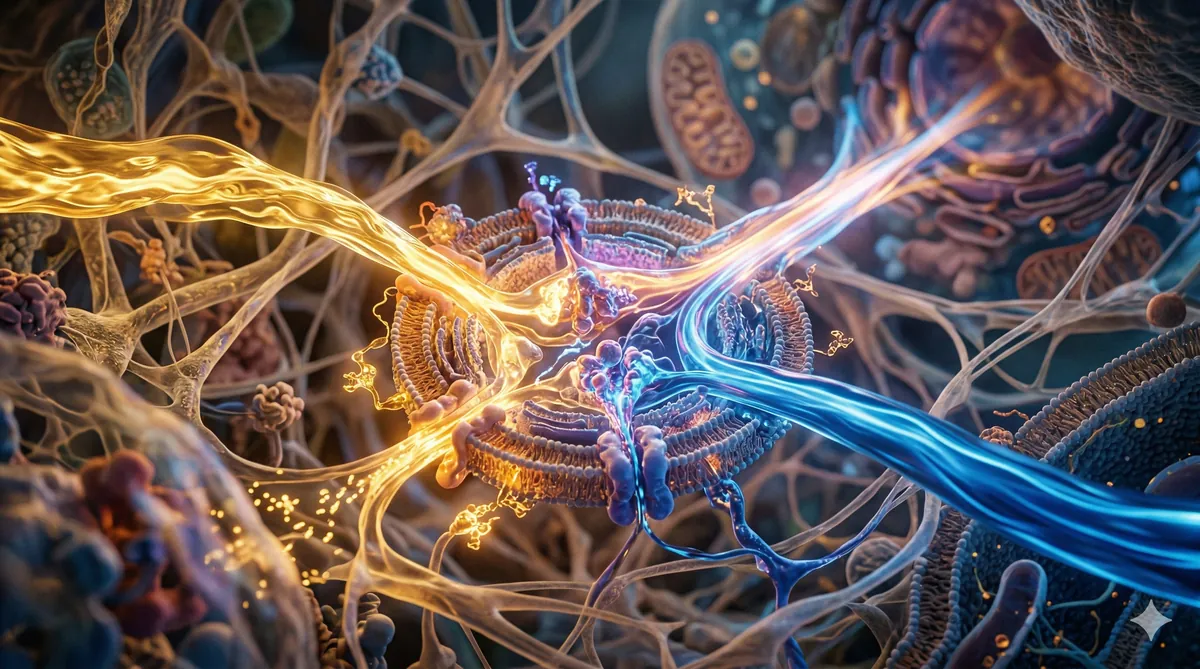
The human body's ability to seamlessly shift between building (anabolism) and breaking down (catabolism) is fundamental to its survival and adaptation. This intricate ballet, often termed `cellular mechanisms of anabolic catabolic switching`, is orchestrated by a sophisticated network of `molecular pathways` that act as internal 'switches' within the cell. Understanding these `cellular signaling` mechanisms provides profound insight into optimizing metabolic health and energy utilization.
Key players in this regulatory framework include mTOR, AMPK, and the sirtuins, each responding to distinct cellular cues to govern the cell's metabolic fate.
Cells possess an astonishing capacity for `nutrient sensing`, allowing them to "read" the availability of fuel and building blocks in their environment. This sophisticated system ensures that resources are allocated efficiently, triggering appropriate anabolic or catabolic responses. When nutrients are plentiful, cells prioritize growth and `energy storage`; when scarce, they shift towards resource mobilization and cellular maintenance.
For instance, `glucose sensing` mechanisms, involving enzymes like glucokinase and glucose transporters, inform the cell about carbohydrate availability. Similarly, `amino acid sensing` pathways, often converging on mTOR, signal protein availability. Lipids are also sensed, influencing `fatty acid metabolism` and storage. These sensor systems are not isolated but intricately interconnected, forming a complex web that dictates the cell's metabolic posture. For example, high glucose and amino acid levels activate mTOR, promoting anabolism, while low energy states activate AMPK, driving catabolism. This dynamic interplay ensures optimal fuel dynamics and efficient `energy storage` or utilization based on current physiological needs.
Consultant Insight: Understanding your body's individual `nutrient sensing` thresholds and responses can be pivotal. Strategic manipulation of nutrient timing and macronutrient ratios through diet can effectively influence the activation of key metabolic pathways like mTOR and AMPK, allowing you to consciously steer your body towards desired anabolic (e.g., muscle building) or catabolic (e.g., fat loss, cellular repair via autophagy) states.
Beyond intrinsic cellular sensors, the endocrine system provides a layer of systemic `hormonal regulation`, acting as the body's central command for managing `metabolic states`. Hormones act as messengers, coordinating metabolic activity across different tissues and organs to maintain overall energy balance.
The intricate interplay of these hormones ensures the body can adapt to varying energy demands. However, chronic imbalance—whether due to diet, stress, sleep deprivation, or disease—can lead to persistent shifts in `metabolic states`, contributing to issues like insulin resistance, muscle wasting, or excessive fat accumulation, thus compromising overall metabolic health.
The journey to truly optimize your body's energy involves more than simply adopting a single dietary approach. While initial success might stem from focusing on specific metabolic states, a deeper, more sustainable mastery requires understanding the intricate interplay of metabolic processes. This section illuminates the advanced nuances of metabolic regulation, highlighting the pivotal role of metabolic flexibility and shedding light on common pitfalls that can derail even well-intentioned efforts. Our goal is to equip you with the advanced strategies necessary for achieving genuine cellular energy balance.
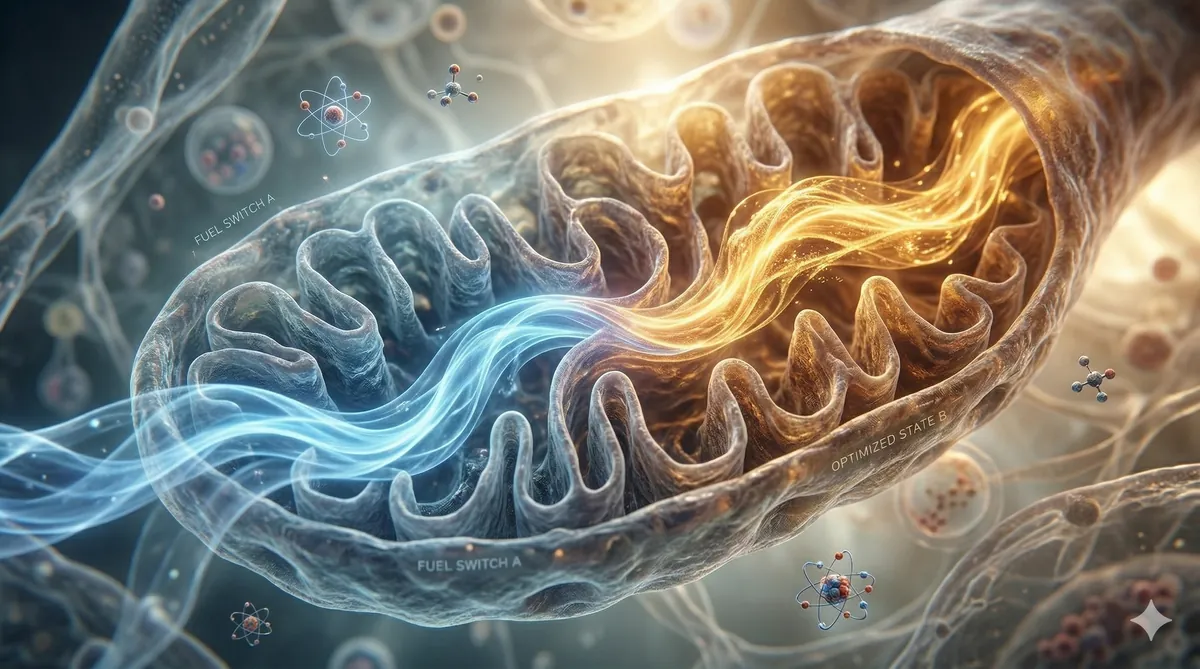
Metabolic processes are often simplified into a binary of 'anabolism' (building) and 'catabolism' (breaking down). However, this perspective overlooks the dynamic, continuous spectrum upon which these states exist. True physiological resilience is characterized by metabolic flexibility – the body's remarkable capacity to efficiently switch between fuel sources, adapting seamlessly between glucose utilization, fatty acid oxidation, and the generation of ketones (a state often referred to as ketosis). This adaptive metabolism is the pinnacle of optimized cellular energy management, allowing the body to perform optimally whether it's fueled by carbohydrates, fats, or a blend of both, responding precisely to energy demands and nutrient availability.
Cultivating metabolic flexibility is about training your body to be ambidextrous with its fuel, rather than relying solely on one primary energy pathway. This is crucial for long-term health and performance.
In the pursuit of peak performance and health, a significant common pitfall arises from the 'over-optimization' trap: an incessant drive to push the body into a single, often restrictive, metabolic state without adequate consideration for recovery or individual physiological needs. This might manifest as chronic calorie restriction, prolonged fasting without breaks, or extreme dietary rigidity. Such persistent metabolic pressure, interpreted by the body as chronic stress, can paradoxically lead to metabolic burnout, hormonal dysregulation, and even symptoms akin to overtraining syndrome in athletes. Sustainable success hinges on strategic recovery strategies and recognizing that the body requires periods of both challenge and replenishment. Implementing periodization – consciously cycling between different metabolic states or levels of restriction – is an advanced strategy that fosters long-term sustainable optimization and prevents adaptive resistance.
Listen intently to your body's signals – persistent fatigue, irritability, or stalled progress are often indicators that you've crossed the line from optimization into over-stress, signaling a need for planned recovery or dietary adjustment.
Having explored the foundational mechanisms of the metabolic switch, you now possess a robust theoretical understanding of how to influence your body's energy pathways. However, the true mastery of metabolic optimization transcends general principles. Applying these insights precisely and consistently to your unique biology, genetic predispositions, and specific health or performance goals presents a significant, often overwhelming, challenge.
The 'Gap of Pain' for many lies in the sheer complexity and time commitment required for effective self-experimentation. Navigating conflicting research, deciphering individual physiological responses, and staying perpetually current with the rapidly evolving landscape of cutting-edge metabolic science can feel like a full-time endeavor. Without a structured, evidence-based approach, even the most dedicated individuals can find themselves mired in trial-and-error, delaying optimal results and potentially fostering frustration.
For those serious about transcending theoretical knowledge and achieving tangible, sustainable results, a more strategic approach is essential. This is where BalancedNatural’s offerings, such as the Personalized Bio-Optimization Blueprint or the Precision Protocol Generator, emerge as the logical next step. These aren't generic plans; they are designed to provide a truly customized strategy that aligns with your individual metabolic profile and aspirations.
By leveraging expert guidance and proprietary analytical frameworks, BalancedNatural transforms complex scientific data into an actionable, time-saving solution. This represents a strategic partnership in your wellness journey, moving beyond generalized advice to deliver ROI-focused optimization for your health, energy, and longevity. It's about securing a strategic, evidence-based edge without the pervasive hype or unnecessary headache often associated with self-guided metabolic experiments.

There isn't a singular "ideal" anabolic to catabolic ratio for general health, as it's a dynamic balance influenced by individual goals like muscle gain, fat loss, or maintenance. The key is metabolic flexibility, allowing your body to efficiently shift between energy states as needed.
Yes, certain targeted supplements can support or modulate key anabolic and catabolic pathways, thereby influencing your metabolic switch. Compounds like specific amino acids, adaptogens, or NAD+ precursors can be beneficial, but they work synergistically with diet and lifestyle, not as standalone solutions. Always prioritize bioavailability and quality for optimal impact.
Optimized cellular energy balance often manifests as consistent energy levels throughout the day, stable mood, efficient recovery from physical activity, and favorable body composition. For deeper insights, advanced metabolic testing like continuous glucose monitoring or metabolic rate analysis can provide objective data.
While short periods are normal, prolonged states of extreme anabolism (e.g., chronic overeating with inactivity) or catabolism (e.g., severe calorie restriction or overtraining) are detrimental to long-term health. Optimal metabolic function relies on a cyclical balance, allowing the body to adapt and maintain metabolic flexibility.