Master Your Cell's Energy: Pro Blueprint for Peak Performance
by
balancednatural
-
September 25, 2026
in
metabolic-biology
Unlock Your Ultimate Energy: The Pro Blueprint for Peak Performance
Do you find yourself perpetually chasing that elusive spark, feeling drained despite your best efforts to optimize your health and workflow? Many professionals grapple with persistent energy fatigue, a silent performance killer that undermines productivity and limits true potential. It's not just about getting more sleep or another cup of coffee; the root often lies deeper, at the very core of your being: your cells.
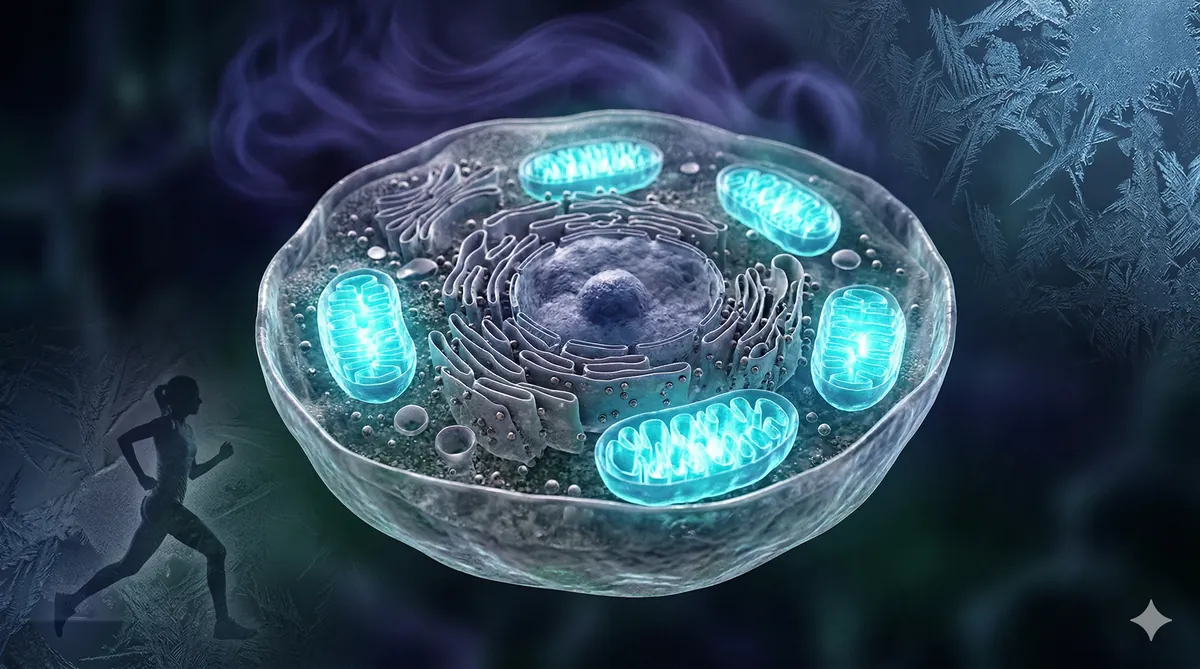
Imagine a reality where sustained focus, unwavering stamina, and vibrant well-being are your default settings. This isn't a fantasy; it's the tangible outcome of mastering your cellular energy. We're talking about more than just a momentary boost; we're diving into the sophisticated mechanisms that drive true peak performance, starting with the powerhouse of your cells: your mitochondria.
This blueprint cuts through the noise, offering an evidence-based roadmap to optimize mitochondrial efficiency and unlock your body's inherent capacity for ultimate vitality. We'll reveal the strategic interventions and 'industry secrets' that transform energy management from a daily struggle into a predictable, powerful asset.
💡
Insight Clave
The conventional approach to "energy" often misses the mark by focusing on stimulants rather than foundational cellular health. True, sustainable energy begins at the mitochondrial level.
Phase 1: Decoding Your Inner Power Plant – The Science of Cellular Energy Conversion
For the high-performance individual, understanding the fundamental mechanics of your body's energy production isn't just biology—it's strategic advantage. Your vitality, cognitive sharpness, and physical endurance are directly tethered to your cells' ability to efficiently convert fuel into usable power. This process, known as cellular energy conversion, is where the rubber meets the road. It’s not merely about consuming nutrients; it's about optimizing the sophisticated biochemical pathways that culminate in ATP production – the universal energy currency of life. At the heart of this intricate system lies crucial mitochondrial function, a process refined through oxidative phosphorylation. Mastering these internal mechanisms is the bedrock for true energy optimization.
The Mitochondria: Your Body's High-Performance Engine
Think of your mitochondria not just as tiny organelles, but as the distributed power grid of your entire being. These dynamic cellular engines are responsible for generating the vast majority of your body's energy, playing a pivotal role in everything from muscle contraction to neural activity. Their health and efficiency directly dictate your healthspan and capacity for sustained performance. Focusing on mitochondrial efficiency is paramount for anyone serious about elevating their energy metabolism and overall output. A robust mitochondrial network ensures that your cells can quickly respond to demands, preventing energy slumps and promoting cellular resilience.
💡
Insight Clave
Consultant Insight: Mitochondrial health isn't static. It's a dynamic system that responds to lifestyle inputs. Investing in strategies that enhance mitochondrial density and function is a critical long-term play for sustained performance and longevity, often correlated with the body's ability to adapt to stressors.
From Fuel to Power: Understanding Cellular Respiration and ATP Production
The journey from the food you eat to the energy your cells use is called cellular respiration. This complex series of energy pathways efficiently breaks down energy substrates (like glucose and fatty acids) to generate ATP. While it sounds academic, for the high-performance pursuer, the takeaway is clear: efficient ATP production is the ultimate goal. When these pathways are optimized, your cells can generate energy rapidly and without undue stress, directly boosting cellular energy output. This translates into quicker recovery, enhanced mental clarity, and greater physical stamina. It’s the difference between a sputtering engine and a finely tuned machine running at peak capacity, ready to meet any demand.
💡
Insight Clave
Pro Tip: Don't just focus on caloric intake. Understand the quality of your energy substrates and how they feed into your cellular respiration pathways. Optimizing fuel selection is a direct route to more efficient ATP production and a noticeable uplift in overall performance.
Phase 2: Optimizing Your Mitochondria – Strategic Levers for Enhanced Efficiency
To truly master your cell's energy, we must move beyond theory and delve into the actionable strategies that drive how to improve mitochondrial efficiency for more energy. This phase is about implementing strategic levers to enhance the performance of your cellular powerhouses, directly impacting optimizing cellular respiration for performance and overall cellular health. It’s where the rubber meets the road, transforming your internal cellular environment into a high-performance engine.
The Power of Movement: Targeted Exercise for Mitochondrial Growth
This is sustained, moderate-intensity aerobic work where you can still hold a conversation. It primarily utilizes fat for fuel, training your mitochondria to become more numerous and more efficient at burning fat, which is crucial for sustained energy and metabolic flexibility.
💡
Insight Clave
Pro Tip for Zone 2: Aim for 30-60 minutes, 2-3 times per week. Monitor your heart rate to stay within 60-70% of your maximum heart rate. This isn't about pushing hard; it's about consistent, comfortable effort that builds your aerobic base and mitochondrial density.
High-Intensity Interval Training (HIIT): The Mitochondrial Stimulant
Short bursts of maximal effort followed by brief recovery periods, HIIT challenges your cells, triggering rapid mitochondrial biogenesis and enhancing overall mitochondrial efficiency. It’s a powerful signal for your body to adapt and create more energy-producing units.
💡
Insight Clave
Pro Tip for HIIT: Integrate 1-2 sessions per week. A common protocol is 30 seconds all-out effort, 90 seconds rest, repeated 4-8 times. Listen to your body and ensure adequate recovery to prevent overtraining.
Resistance Training: Building Capacity and Resilience
Lifting weights stimulates muscle growth, and with it, the demand for more energy, driving mitochondrial biogenesis within muscle cells. This enhances not only strength but also the overall capacity for cellular energy conversion.
💡
Insight Clave
Pro Tip for Resistance Training: Focus on compound movements (squats, deadlifts, presses) that engage multiple muscle groups. Aim for 2-3 sessions per week, allowing for muscle recovery. Progressive overload is key to continuous adaptation.
Strategic Stressors: Harnessing Hormesis for Cellular Resilience
The concept of hormesis is a cornerstone of advanced cellular health strategies: controlled exposure to mild stress that triggers beneficial adaptive responses, leading to enhanced cellular resilience and more robust cellular energy conversion. This isn't about chronic stress, but precise, intermittent challenges.
Regular periods of voluntary fasting compel your cells to switch from glucose burning to fat burning, a process that upregulates gene expression for mitochondrial biogenesis and improves the efficiency of existing mitochondria. This metabolic flexibility is a hallmark of youthful cellular function.
💡
Insight Clave
Industry Secret for Fasting: Start with a 12-14 hour overnight fast, extending gradually to 16 hours. Focus on nutrient-dense meals during your eating window. Hydration with electrolytes is paramount during fasting periods to maintain electrolyte balance.
Cold Exposure: The Mitochondrial Wake-Up Call
Cold exposure, whether via cold showers or ice baths, activates brown adipose tissue (BAT) and stimulates mitochondrial uncoupling, which can enhance energy expenditure and improve insulin sensitivity. It's a powerful signal for your cells to become more metabolically active.
💡
Insight Clave
Industry Secret for Cold Exposure: Begin with 30-second cold showers, gradually increasing duration and decreasing water temperature. Consistency, even for short durations, yields significant benefits. Focus on slow, controlled breathing to manage the initial shock.
Sauna Therapy: Heat for Cellular Housekeeping
Infrared or traditional sauna sessions induce a mild heat stress that activates heat shock proteins, which play a vital role in protein folding and repair. This cellular housekeeping mechanism contributes to improved cellular resilience and supports optimal mitochondrial function.
💡
Insight Clave
Industry Secret for Sauna: Aim for 15-20 minutes, 2-3 times per week, at a comfortable temperature (e.g., 160-180°F for traditional sauna). Always rehydrate thoroughly with water and electrolytes post-sauna to replenish lost fluids.
Sleep & Circadian Rhythm: The Non-Negotiables for Mitochondrial Repair
While often overlooked in the pursuit of peak performance, quality sleep optimization and adherence to your natural circadian rhythm are absolutely fundamental for mitochondrial repair and efficient ATP production. Without adequate rest, your cells lack the crucial time and resources to clean house, repair damage, and prepare for the next day's energy demands.
During deep sleep, your body undergoes critical processes, including the removal of damaged mitochondria (mitophagy) and the synthesis of new ones. Disrupting this cycle directly compromises your capacity for cellular energy conversion.
Shortcuts for High-Performers to Optimize Sleep:
Consistent Sleep Schedule: Go to bed and wake up at roughly the same time every day, even on weekends. This reinforces your circadian rhythm.
Dark, Cool, Quiet Environment: Invest in blackout curtains, keep your bedroom temperature between 60-67°F (15-19°C), and use earplugs if necessary.
Evening Light Management: Minimize exposure to blue light from screens 2-3 hours before bed. Consider blue-light blocking glasses if screen time is unavoidable.
Strategic Caffeine Intake: Limit caffeine consumption after midday. Its half-life means it can disrupt sleep hours later.
Wind-Down Routine: Implement a relaxing pre-sleep ritual – reading a physical book, light stretching, or meditation – to signal to your body that it’s time to rest.
💡
Insight Clave
Pro Tip for Circadian Alignment: Expose yourself to bright natural light within 30 minutes of waking. This potent signal helps anchor your circadian rhythm, boosting morning alertness and improving melatonin production later in the evening for better sleep.
Phase 3: Precision Fueling – Nutrients for Efficient ATP Synthesis & Mitochondrial Support
Moving beyond foundational energy principles, Phase 3 zeroes in on Precision Fueling—the strategic deployment of specific nutrients for efficient ATP synthesis and robust mitochondrial support. As the field of nutritional science continually evolves, we're leveraging advanced insights to achieve optimizing cellular respiration for performance. This isn't about generic healthy eating; it's about understanding how targeted dietary choices enhance metabolic pathways, improve metabolic flexibility, and crucially, ensure optimal bioavailability for maximum cellular uptake and utilization. Think of this as fine-tuning your cellular engine with race-grade fuel, built on the latest understanding of cellular biochemistry.
Essential Micronutrients for the Electron Transport Chain
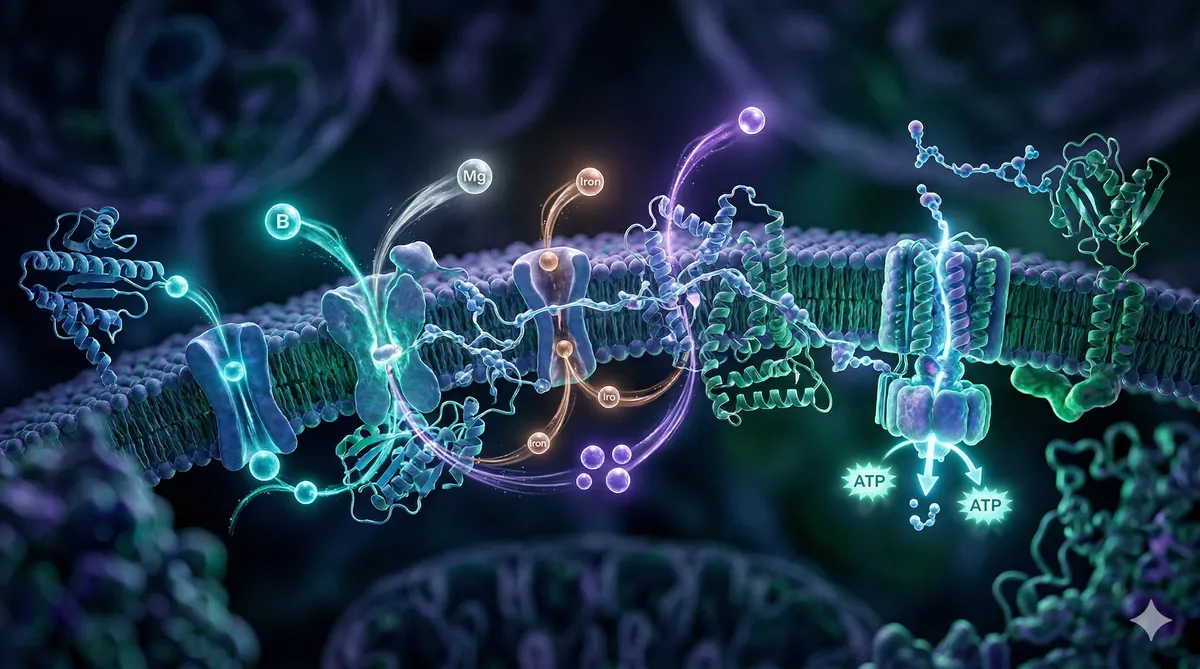
True cellular mastery begins with understanding the critical role of specific micronutrients as indispensable cofactors in the intricate dance of oxidative phosphorylation and cellular respiration. As current research consistently reinforces, these aren't just general health boosters; they are direct participants in the machinery responsible for ATP production. Without adequate levels, your cellular energy factories operate at a fraction of their potential.
B Vitamins (B1, B2, B3, B5, B6, B7, B9, B12): Often called the "energy vitamins," the B-complex group serves as crucial coenzymes in nearly every step of the Krebs cycle and electron transport chain. For example, B2 (Riboflavin) and B3 (Niacin) are precursors to FAD and NAD+, respectively—electron carriers without which the electron transport chain grinds to a halt. B1 (Thiamine) is vital for pyruvate dehydrogenase, linking glycolysis to the Krebs cycle.
Magnesium: Beyond its role in muscle function, magnesium is a cofactor for over 300 enzymatic reactions, including those directly involved in ATP synthesis and stabilization. Every ATP molecule in your body must be bound to a magnesium ion to be biologically active.
Iron: A core component of cytochromes within the electron transport chain, iron facilitates the transfer of electrons. Without sufficient iron, the chain's efficiency plummets, directly impacting oxygen utilization and ATP yield.
Copper: Acts as a cofactor for cytochrome c oxidase, the final enzyme complex in the electron transport chain that passes electrons to oxygen, forming water. This is a bottleneck step for efficient oxygen utilization.
💡
Insight Clave
Pro Tip: Synergistic Sourcing: Instead of relying on isolated supplements, prioritize whole-food sources rich in these micronutrients. For instance, leafy greens provide magnesium and B vitamins, while organ meats are dense in iron and copper, enhancing overall bioavailability and synergistic effects. Consider a broad-spectrum, high-quality multivitamin as a baseline, but always aim to cover the majority through diet.
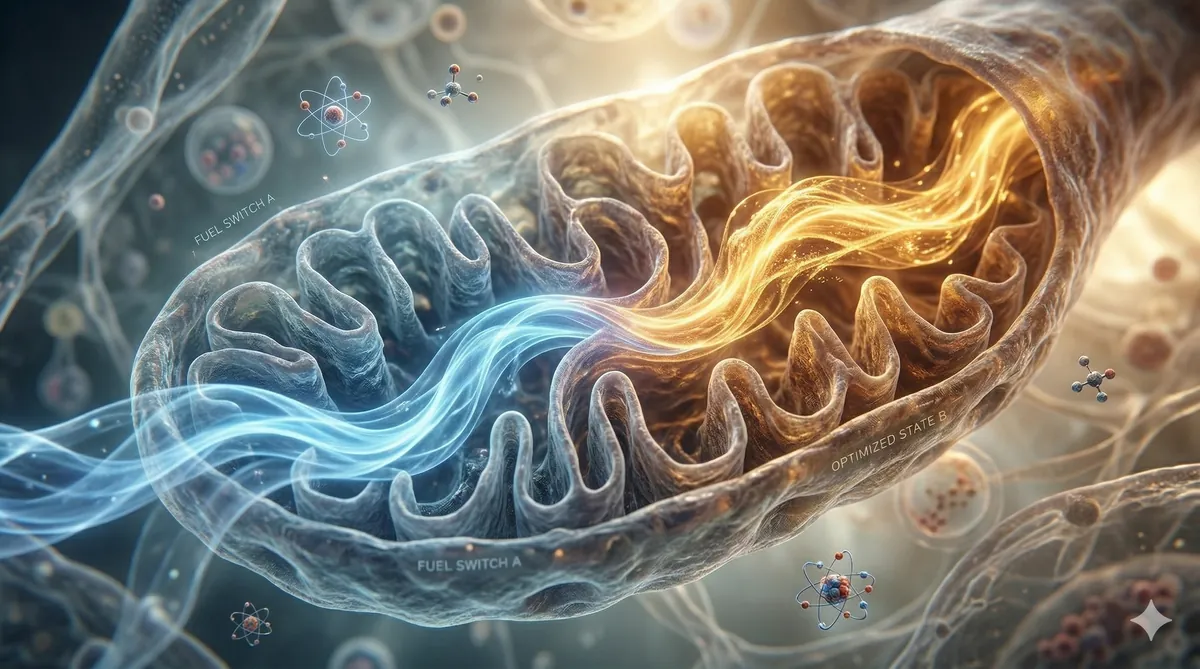
The efficiency of your internal energy conversion systems is heavily influenced by not just what you eat, but when and in what ratios. As metabolic physiology continues to unravel, strategic macronutrient timing and precise ratios are paramount for optimizing cellular energy conversion and cultivating robust metabolic flexibility—the ability of your cells to seamlessly switch between carbohydrate and fat utilization for fuel. This adaptability is key for sustained performance and resilience.
Carbohydrates: The primary rapid-access fuel source for high-intensity ATP demands. Timing complex carbohydrates pre-activity provides glycogen stores, while simple carbohydrates post-activity replenish them swiftly.
Fats: An incredibly dense and stable fuel source, crucial for sustained, lower-intensity activities and for structural integrity of cell membranes, including mitochondria. Training your body to utilize fats more efficiently is a cornerstone of metabolic flexibility.
Proteins: Essential for repair, recovery, and enzyme synthesis, proteins also provide amino acids that can be converted to glucose (gluconeogenesis) during prolonged energy deficits. Ensuring adequate protein intake supports the structural components of mitochondria themselves.
💡
Insight Clave
Pro Tip: Periodized Fueling for Metabolic Flexibility: Implement a periodized fueling strategy where macronutrient ratios fluctuate based on training intensity and goals. On high-volume training days, prioritize carbohydrates. On rest or lower-intensity days, emphasize healthy fats and proteins to encourage fat adaptation and enhance fuel utilization. This trains your cells to be efficient with various fuel sources, directly contributing to boosting cellular energy output across different demands.
Antioxidant & Anti-Inflammatory Support for Mitochondrial Health
While energy production is vital, it comes with a byproduct: reactive oxygen species (ROS), which can lead to oxidative stress. This stress can damage cellular components, particularly the delicate mitochondria, diminishing their capacity for ATP production. Protecting against this, as highlighted by ongoing mitochondrial research, strategic intake of antioxidants and anti-inflammatory foods is non-negotiable for preserving mitochondrial efficiency and overall cellular resilience.
Key Antioxidants:
Vitamin C & E: Synergistic vitamins that protect cell membranes and aqueous compartments from free radical damage. Vitamin C regenerates Vitamin E.
Polyphenols (e.g., Resveratrol, Curcumin, EGCG): Found in berries, green tea, dark chocolate, and turmeric, these compounds possess potent antioxidant and anti-inflammatory properties, directly supporting mitochondrial integrity and function.
Alpha-Lipoic Acid (ALA) & Coenzyme Q10 (CoQ10): While CoQ10 is a crucial component of the electron transport chain itself, both act as powerful antioxidants within the mitochondria, protecting against ROS.
Anti-Inflammatory Foods:
Beyond direct antioxidants, a diet rich in anti-inflammatory components reduces systemic inflammation, which can indirectly impede mitochondrial function. Incorporate:
Pro Tip: Beyond Supplements – Dietary Synergy: While targeted supplements can be beneficial, the most effective strategy involves a consistent intake of a diverse array of antioxidant-rich whole foods. The synergistic effect of various phytonutrients often surpasses the efficacy of isolated compounds. Aim for a "rainbow diet" to ensure a broad spectrum of protective compounds.
Phase 4: Advanced Protocols – Targeted Compounds for Superior Cellular Energy Conversion
NAD+ Precursors: Igniting Your Cellular Battery for Peak Energy Output
Nicotinamide Adenine Dinucleotide (NAD+) is an indispensable coenzyme involved in hundreds of metabolic processes, crucially in cellular_respiration and directly influencing ATP_production. As we age, natural NAD+ levels decline, impacting cellular function. NAD_plus precursors like Nicotinamide Mononucleotide (NMN) and Nicotinamide Riboside (NR) are cutting-edge longevity_compounds designed to boost endogenous NAD+ synthesis.
Both NMN and NR serve as direct routes to increase NAD+ levels, thereby supporting mitochondrial health and energy metabolism. Research, including studies cited by the National Institutes of Health, continues to explore their profound impact on cellular vitality. Source: NIH
💡
Insight Clave
Pro-Level Sourcing & Dosage: When selecting NAD+ precursors, prioritize third-party tested products with transparency in purity and dosage. Optimal dosing is highly individual, often ranging from 250-500mg daily for NMN or NR, but always consult with a qualified health professional to tailor your protocol. Look for brands that offer stability and bioavailability data, as these compounds can be sensitive to degradation.
CoQ10 & PQQ: The Dynamic Duo for Mitochondrial Protection & Biogenesis
For robust mitochondrial performance, the synergistic pairing of Coenzyme Q10 (CoQ10) and Pyrroloquinoline Quinone (PQQ) is unparalleled. CoQ10 is crucial for the electron transport chain, a core component of oxidative_phosphorylation, where the bulk of cellular ATP is generated. It acts as a vital electron carrier, ensuring smooth and efficient energy production. Furthermore, CoQ10 functions as a powerful antioxidant, providing significant mitochondrial_protection against oxidative stress.
PQQ, on the other hand, is a relatively newer player in mitochondrial optimization, celebrated for its ability to promote mitochondrial_biogenesis – the growth of new mitochondria within cells. More mitochondria mean a greater capacity for energy production. When combined, CoQ10 ensures the existing mitochondria function at peak efficiency, while PQQ expands the total mitochondrial network. Source: NIH
💡
Insight Clave
Industry Secrets on Optimal Forms: For CoQ10, always opt for the ubiquinol form over ubiquinone, especially if you are over 25 or have compromised absorption. Ubiquinol is the active, more bioavailable form directly utilized by the body. For PQQ, consistent daily dosing is key to stimulate biogenesis effectively. Consider a liposomal delivery for enhanced absorption of both compounds, maximizing their synergistic impact.
Creatine & Alpha-Lipoic Acid: Enhancing Energy Flow and Antioxidant Defense
Creatine is not just for athletes; it's a critical compound for rapid ATP_production, especially during high-intensity, short-burst energy demands. It acts as an energy buffer, quickly regenerating ATP from ADP, ensuring your cells have immediate fuel. This makes it invaluable for cognitive performance and physical output alike.
Alpha-Lipoic Acid (ALA) offers a dual advantage. Firstly, it's a potent, broad-spectrum antioxidant_defense, capable of neutralizing free radicals in both water and fat-soluble environments. Secondly, and perhaps more crucially for energy, ALA is a coenzyme for several mitochondrial enzymes involved in energy metabolism, effectively optimizing_cellular_respiration_for_performance. Its ability to regenerate other antioxidants like Vitamin C and E further amplifies its protective and performance-enhancing effects.
Phase 5: Troubleshooting & Sustaining Your Energy Mastery – The Long Game
Achieving peak cellular performance is not a sprint; it's a marathon demanding a robust long-term strategy. While initial gains in mitochondrial efficiency can be rapid, true sustained energy mastery involves anticipating and navigating the common pitfalls that often derail progress. This phase equips you with the advanced insights and proactive measures to ensure your energy blueprint remains optimized for the long haul.
Identifying & Overcoming Energy Plateaus: A Pro's Approach
Even the most meticulously crafted protocols can hit an energy plateau. When your efforts seem to yield diminishing returns, it's not a sign of failure, but rather an invitation for a deeper diagnostic. Common culprits include:
Overtraining Syndrome: Pushing physical limits without adequate recovery can paradoxically suppress mitochondrial function and overall boosting cellular energy output.
Chronic Stress & Adrenal Fatigue: Persistent psychological or physiological stress can significantly impair cellular metabolism and energy production pathways, requiring targeted stress management.
Unidentified Nutrient Deficiencies: Subtle yet critical gaps in micronutrients (e.g., B vitamins, magnesium, CoQ10) essential for the electron transport chain can limit efficiency.
Gut Health Imbalances: A compromised microbiome or gut lining can impair nutrient absorption and contribute to systemic inflammation, directly impacting energy levels and gut health.
To systematically address these, implement a 'test and adjust' cycle. Review your sleep quality, recovery protocols, current stress load, and consider advanced functional lab testing for comprehensive nutrient panels and gut microbiome analysis.
💡
Insight Clave
Pro Tip: The 30-Day Reset. If you encounter a persistent energy plateau, consider a 30-day "reset." This involves reducing high-intensity exercise, prioritizing sleep, implementing daily mindfulness, and focusing on a nutrient-dense, anti-inflammatory diet. This allows your system to recalibrate before reintroducing variables.
The Bio-Individuality Principle: Why One-Size-Fits-All Fails for Cellular Energy
The human body is an intricate system, and nowhere is this more apparent than in cellular energy conversion. What optimizes one individual's mitochondrial efficiency may not have the same effect on another. This bio-individuality underscores the critical need for a personalized approach.
Listen to Your Body: Pay close attention to subtle cues – energy dips, sleep quality, mood fluctuations, and recovery times. These are invaluable data points.
Track Key Metrics: Beyond subjective feelings, objective tracking metrics (e.g., HRV, sleep stages, activity levels via wearables) provide quantifiable insights into your body's response to interventions.
Personalized Adjustments: Leverage professional guidance from a functional medicine practitioner or nutritionist who can interpret complex data and help craft a truly personalized nutrition and lifestyle plan.
💡
Insight Clave
Industry Secret: N=1 Experimentation. Treat your body as your most complex experiment. Introduce one change at a time, track its impact meticulously for several weeks, and then evaluate. This systematic approach reveals what truly moves the needle for your unique physiology.
Future-Proofing Your Mitochondria: Emerging Science & Longevity Insights
The pursuit of optimal cellular energy is a dynamic field. Our "Decoding the New Frontier" pillar emphasizes the Time-Tested principle of continuous learning and adaptation. To ensure your strategies remain potent for maximal mitochondrial efficiency and extend your healthspan, stay abreast of emerging science.
As of the latest research from institutions like the Salk Institute, new avenues are continually being explored. Current frontiers include:
Senolytics & Senomorphics: Compounds that target senescent cells, which accumulate with age and impair healthy tissue function, including mitochondrial health.
NAD+ Precursors: Continued research into NMN and NR's role in boosting NAD+ levels, a coenzyme critical for energy metabolism and cellular repair.
Mitochondrial Transplantation: While still largely experimental, this cutting-edge research explores direct replacement of damaged mitochondria.
Precision Nutrition & Nutrigenomics: Tailoring dietary interventions based on individual genetic profiles to optimize nutrient absorption and metabolic pathways.
By integrating these longevity insights and maintaining an adaptive mindset, you're not just managing your energy today; you're actively future-proofing your cellular health for decades to come.
Beyond the Blueprint: Your Personalized Strategy for Unrivaled Cellular Performance
The foundational blueprint you've explored offers powerful insights into optimizing cellular_energy_conversion. Yet, for high-performance individuals committed to achieving and sustaining true peak_performance, a generic framework, no matter how detailed, is merely a starting point. Your unique genetic predispositions, current physiological demands, environmental factors, and evolving aspirations necessitate a truly dynamic, deeply personalized strategy.
💡
Insight Clave
Attempting to manually synthesize complex biomarker data, adapt customized_supplement_stacking, and implement dynamic_protocol_adjustments to precisely fine-tune cellular_energy_conversion is an immense, error-prone, and time-consuming challenge. This 'Gap of Pain' often leads to suboptimal results, even for the most dedicated individuals.
This is precisely where our specialized expertise bridges that gap. For those who demand unparalleled precision and efficiency in their pursuit of peak_performance, we introduce our Personalized Bio-Optimization Blueprint. This isn't a static document; it's a living, adaptive strategy generated by our proprietary Precision Protocol Generator. We integrate cutting-edge diagnostics with advanced data analytics to create a bespoke protocol designed specifically for your unique biology, ensuring every element – from nutrition to recovery – is optimized for sustained energetic mastery and unrivaled performance. This is the definitive next step for serious players.
Preguntas Frecuentes
How quickly can I expect to see improvements in my energy levels by optimizing mitochondrial efficiency?
While individual responses vary due to bio-individuality, consistent application of strategies to optimize mitochondrial efficiency can lead to noticeable improvements in energy levels within weeks to a few months. Sustained effort is key for deep cellular remodeling and achieving long-term peak performance.
Are there any risks or side effects associated with boosting cellular energy output?
Boosting cellular energy through evidence-based lifestyle and nutritional strategies is generally safe when approached mindfully and incrementally. Potential risks are typically associated with overdoing certain strategies, such as excessive supplementation or overtraining without proper recovery, which can disrupt cellular balance. Always consult a healthcare professional before implementing significant changes to your regimen.
Can diet alone significantly improve mitochondrial efficiency, or are supplements necessary?
Diet is foundational and absolutely critical for significantly improving mitochondrial efficiency, providing the essential nutrients for efficient ATP synthesis. While a nutrient-dense diet can achieve substantial gains, targeted supplementation can offer a strategic edge, especially for individuals with high-performance goals or to address specific nutrient deficiencies.
What is the single most important factor for enhancing cellular respiration?
There isn't one single most important factor for enhancing cellular respiration; rather, it's the synergistic interplay of multiple interconnected lifestyle elements. A holistic approach encompassing a nutrient-rich diet, consistent and appropriate exercise, and adequate restorative sleep creates the optimal environment for robust cellular respiration and overall energy production.