For the high-performance individual, the simplistic mantra of "calories in, calories out" often feels like a frustratingly blunt instrument. Despite rigorous tracking and disciplined effort, many find generic nutritional advice falls short, failing to unlock that crucial strategic advantage in performance, recovery, and overall vitality. This common pain point stems from an incomplete understanding of how your body truly manages energy.
The actual determinant of your metabolic outcome isn't just gross caloric intake; it's the intricate dance of cellular fuel partitioning and energy substrate utilization. Mastering this internal strategy is where true biological optimization begins.
This guide moves beyond surface-level metrics to dive into the profound impact of understanding how cells prioritize energy sources. We'll unveil the sophisticated mechanisms by which your cells decide whether to burn carbohydrates, fats, or even proteins for immediate energy, storage, or repair. This isn't just academic theory; it's the bedrock of a strategic advantage that dictates everything from your peak athletic output to your long-term cellular health and resilience.
Prepare to receive a 'Pro Guide' that cuts through the noise. We will provide a clear, actionable blueprint for understanding and mastering your cells' internal fuel decisions, empowering you to optimize your body's energy economy for sustained performance, enhanced longevity, and unparalleled vitality.

In the pursuit of optimal health and performance, the conventional wisdom often fixates on caloric intake and macronutrient ratios. While essential, this macro-level perspective frequently overlooks the sophisticated strategies unfolding within your body at the micro-level. To truly master your internal environment, we must first bridge the existing information_gap and delve into the intricate world of cellular fuel partitioning.
This phase is not just about understanding where energy comes from; it's about appreciating the strategic decisions your cells make regarding their fuel sources. Moving beyond basic energy definitions, a critical consultant_insight reveals that fuel quality and its subsequent utilization dictate metabolic outcomes far more profoundly than mere caloric quantity. It’s a foundational aspect of metabolic_biology that underpins true optimization.
Pro Tip: Thinking of energy purely as "calories in, calories out" is an oversimplification. The real leverage lies in understanding how your cells interpret, process, and prioritize different energy substrates for cellular_energy_production and beyond.
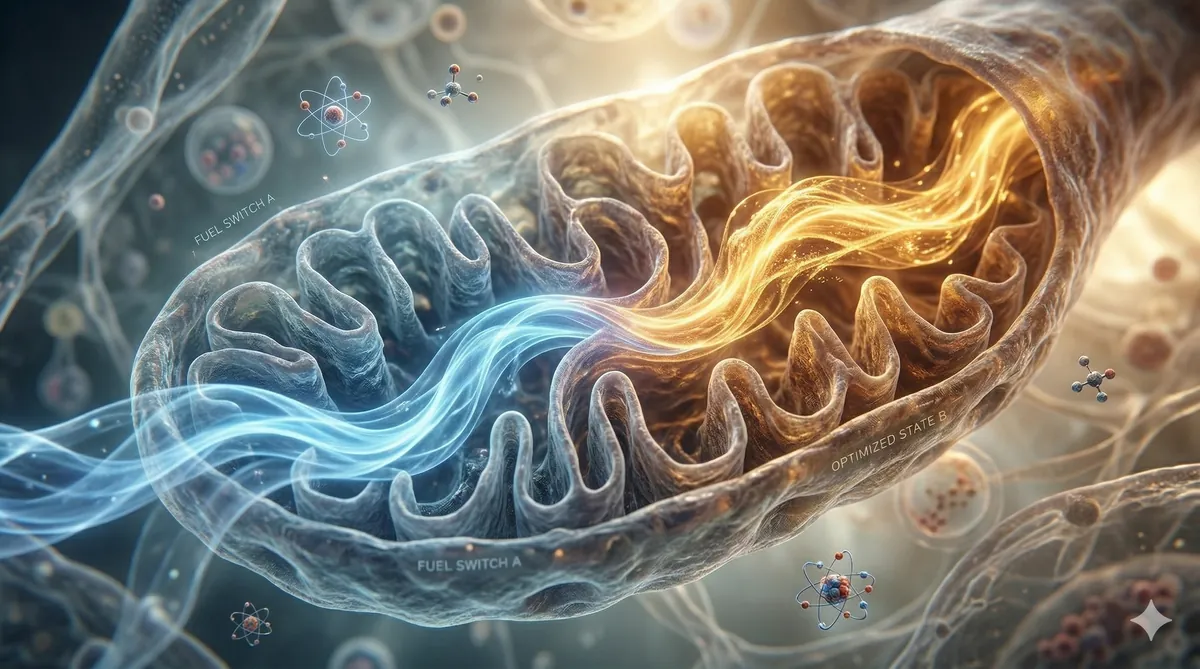
Your cells are not passive incinerators; they possess an inherent, sophisticated hierarchy for how cells prioritize energy sources. This foundational principle is rooted in nutrient availability, hormonal signals, and the immediate metabolic demands placed upon the cell. For instance, glucose is often the preferred and most readily accessible fuel for many tissues, particularly under high-intensity conditions, due to its rapid conversion to ATP. However, fatty acids provide a more dense and sustained energy source, favored during prolonged activity or states of fasting.
This internal 'decision-making' process is a hallmark of the metabolic_flexibility_principle, allowing cells to adapt and thrive across diverse physiological states. It’s orchestrated by intricate cellular_signaling pathways, where enzymes and transcription factors respond dynamically to changes in the cellular environment, ensuring efficient energy management and resource allocation.
The conventional view often stops at ATP generation as the ultimate goal of energy metabolism. However, this perspective barely scratches the surface. The specific pathway of energy substrate utilization carries nuanced implications for overall cellular health, signaling cascades, and long-term vitality. For example, while both glucose and fatty acids produce ATP, their metabolism generates different byproducts and impacts different regulatory networks.
Efficient mitochondrial_function, the powerhouse of the cell, is intrinsically linked to the choice of fuel. Optimized utilization of fats, for instance, can enhance mitochondrial biogenesis and reduce oxidative stress compared to an over-reliance on glucose, especially when glucose metabolism becomes inefficient. This directly influences cellular_health_impact, affecting everything from inflammation and gene expression to cellular repair mechanisms. Understanding this is a time_tested_principle for enhancing metabolic efficiency, which not only dictates athletic performance and cognitive function but also plays a pivotal role in the very processes of healthy aging.
Understanding how your cells strategically choose their fuel sources is paramount to optimizing performance, longevity, and metabolic health. Beyond the simplistic "calories in, calories out" model, our bodies engage in sophisticated "cellular pathways for energy substrate use", constantly adapting based on immediate demands, substrate availability, and long-term metabolic programming. Each pathway offers distinct advantages and disadvantages, making the cell's choice a critical "strategic choice" influencing everything from a sprint to sustained cognitive function.
When quick, potent energy is needed, "glucose oxidation" is the cell's go-to pathway. This process begins with "glycolysis", rapidly breaking down glucose into pyruvate, which then enters the mitochondria for further oxidation via the Krebs cycle and oxidative phosphorylation. It's the preferred "performance_fuel" for high-intensity, short-burst activities and is critical for consistent brain function, as the brain primarily relies on glucose under normal conditions.
While efficient for rapid energy bursts, over-reliance on glucose can lead to challenges. Chronic high glucose intake can strain "insulin sensitivity", potentially leading to metabolic dysregulation over time. Cells may struggle to efficiently switch to alternative fuels, leaving them less metabolically flexible.
Pro Tip: Glucose Management for Peak Performance. To leverage glucose effectively without its downsides, focus on nutrient timing. Consume complex carbohydrates around periods of high energy demand (e.g., before intense workouts). Post-exercise, replenish glycogen stores to support recovery. Prioritize whole, unprocessed carbohydrate sources to maintain stable blood sugar and support optimal "insulin sensitivity".
For sustained energy, especially during prolonged activity or rest, "fat oxidation" takes center stage. This pathway, primarily involving "beta-oxidation" within the mitochondria, breaks down fatty acids into acetyl-CoA, which then enters the Krebs cycle. It's an incredibly energy-dense fuel source, providing more ATP per gram than glucose.
Optimizing "fat oxidation" is key for endurance athletes and is strongly linked to "mitochondrial biogenesis" and overall "longevity_pathway" activation. Cells access stored triglycerides in adipose tissue, breaking them down into fatty acids that are then transported to tissues for energy. This pathway promotes metabolic flexibility, allowing the body to conserve glucose for critical functions and operate efficiently on readily available fat stores.
Pro Tip: Cultivating Fat Adaptation. To enhance your body's ability to utilize fat for fuel, incorporate regular periods of low-intensity, steady-state exercise. Consider strategic fasting windows or reducing carbohydrate intake at certain times to gently nudge your metabolism towards greater fat utilization. This trains your mitochondria to become more efficient at "fat oxidation", improving stamina and metabolic resilience.
"Ketone metabolism" represents an advanced fuel strategy, particularly beneficial when glucose is scarce or for specific cognitive and metabolic advantages. Produced in the liver from fatty acids through "ketogenesis", ketones (beta-hydroxybutyrate, acetoacetate, and acetone) can cross the blood-brain barrier, providing an alternative, highly efficient fuel for the brain and other tissues.
In scenarios like prolonged fasting or very low-carbohydrate diets, ketones offer a "metabolic_advantage", potentially enhancing "cognitive_enhancement" by providing a stable, clean-burning fuel that may reduce oxidative stress compared to glucose. Elite performers and biohackers often explore this pathway for sustained mental clarity and physical endurance.
Industry Secret: Strategic Ketone Leveraging. While not for everyone, strategically inducing mild ketosis can be a powerful tool. This isn't about extreme restriction, but rather about creating a metabolic environment where ketones are readily available. Consider targeted dietary adjustments, such as cycling carbohydrate intake or incorporating exogenous ketones under expert guidance, to explore their potential for enhanced focus and sustained energy without the glucose roller coaster. However, always ensure adequate electrolyte intake and hydration when experimenting with this pathway.

Moving beyond a rudimentary understanding of metabolism, true mastery lies in actively influencing your cellular fuel partitioning. This advanced phase of bio-optimization focuses on implementing sophisticated actionable strategies to fine-tune how your cells select and utilize energy substrates, ultimately leading to optimizing cellular fuel choice for performance, resilience, and longevity. We'll dissect the advanced nuances often overlooked and navigate the common pitfalls that derail most optimization efforts.
The decision-making process for factors influencing cellular fuel selection is a complex interplay of environmental cues and internal signaling. Your cells are constantly evaluating what fuel source is most readily available and metabolically efficient for the task at hand.
Pro Tip (Immediate Impact Shortcut): For rapid improvement in glucose sensitivity and a gentle push towards fat utilization, prioritize nutrient-dense, whole foods. Introduce a daily 12-14 hour "digestive rest" window (e.g., finish dinner by 7 PM, don't eat again until 9 AM). This simple lifestyle_impact shift can significantly influence hormonal_regulation and cellular fuel preference.
Metabolic flexibility is the zenith of optimizing cellular fuel choice for performance. It describes your body's innate ability to efficiently switch between using glucose and fat as primary fuel sources depending on availability and demand. This bio_optimization_skill is not just about weight management; it's about energy stability, mental clarity, and resilience against metabolic stressors. It's a time_tested_principle for robust health.
Framework for Developing Metabolic Flexibility:
While the path to optimized cellular fuel partitioning seems straightforward, many individuals encounter significant common pitfalls. Understanding these advanced nuances is crucial for sustainable success.
Warning Box (Expert Advice): Avoid "biohacking extremism." While experimentation is valuable, extreme dietary or lifestyle changes without professional guidance can be counterproductive and even harmful. Prioritize foundational health (sleep, stress, whole foods) before implementing radical protocols. If in doubt, consult a qualified healthcare professional or registered dietitian. True optimization is a marathon, not a sprint, built on consistent, informed choices.
You've delved deep into the intricate mechanisms of cellular energy. Understanding principles like mitochondrial efficiency and substrate switching is a powerful foundation. However, translating this theoretical knowledge into a truly optimized, individualized strategy for peak performance reveals a significant challenge.
The reality is, the manual, trial-and-error process of fine-tuning your body's cellular fuel partitioning and energy substrate utilization is a formidable gap_of_pain for high-performance individuals. It's an endeavor fraught with complexity, demanding exhaustive data tracking, precise interpretation, and constant adjustments across nutrition, training, and recovery protocols. This path is often prohibitively time-consuming, leading to suboptimal results, frustrating plateaus, or, worse, significant burnout.
Pro Tip: Relying solely on intuition or generic protocols for cellular fuel optimization is akin to navigating a complex financial market without expert analysis. The variables are too numerous, and the stakes for your performance and well-being are too high.
This is precisely where the strategic advantage lies. While the DIY spirit is commendable, achieving truly individualized, continuously optimized performance requires a partner with the tools and expertise to cut through this complexity.
For serious players ready to transcend the limitations of manual optimization and reclaim valuable time, BalancedNatural is developing the Personalized Bio-Optimization Blueprint and Precision Protocol Generator. These advanced frameworks are designed to be your logical Next Step, providing a tailored, data-driven strategy without the constant headache of self-experimentation.
Imagine a system that delivers unparalleled product_benefit_precision in identifying your optimal fuel mix and metabolic pathways, coupled with the product_benefit_efficiency of automated, adaptive protocols. This strategic partnership allows you to focus on executing your performance goals, confident that your cellular fuel strategy is continuously optimized by cutting-edge intelligence.

Cellular fuel partitioning is the dynamic process by which cells strategically select and utilize various energy substrates, such as glucose, fats, and ketones. This selection is based on factors like nutrient availability, energy demand, and the cell's current metabolic state. It directly impacts energy production efficiency and overall cellular function.
Improving energy substrate utilization involves developing metabolic flexibility through strategic dietary choices, such as macronutrient timing, and varied exercise, including zone 2 cardio and HIIT. Lifestyle factors like adequate sleep and effective stress management also play a crucial role in enhancing your cells' ability to switch between fuels efficiently.
Ketones offer unique benefits like enhanced cognitive clarity and sustained energy, but they are not universally "better" than glucose. The optimal fuel source depends on an individual's specific metabolic state, current energy demands, and health goals. Prioritizing metabolic flexibility, which allows your body to efficiently utilize both, is generally more beneficial than exclusive reliance on one fuel.
Cells prioritize energy sources based on several key factors, including the availability of nutrients from dietary intake and the body's energy demand, influenced by activity levels. Hormonal signals, such as insulin, glucagon, and adrenaline, also play a significant role in dictating fuel selection. Genetic predispositions can further contribute to how efficiently cells switch between different energy substrates.