The Cellular Energy Code: How Nutrient Sensing Drives Your Metabolism [Pro Guide]
by
balancednatural
-
September 25, 2026
in
metabolic-biology
The Cellular Energy Code: Unlocking Your Metabolism's Master Switches
Are you tired of generic health advice that promises revolutionary results but often leaves you feeling stuck or even more confused? The conventional wisdom surrounding diet and exercise frequently overlooks a critical, hidden power within your very own cells. It's not just about calories in versus calories out; it's about a sophisticated biological dialogue that determines how efficiently your body creates, stores, and uses energy.
This isn't another article on the latest diet trend. This is a pro-level guide designed to demystify the profound science behind nutrient sensing — the intricate cellular pathways that act as your metabolism's master switches. We'll peel back the layers to reveal how these internal mechanisms directly drive your cellular metabolic rate, dictating everything from your energy levels and body composition to your overall longevity.
Prepare to transcend the superficial and dive into the fundamental biological language your body speaks. By understanding and strategically influencing these core pathways, you unlock a powerful framework for true human optimization and unparalleled energy efficiency. This guide will empower you to move beyond restrictive rules and towards mastering your body's innate intelligence.
💡
Insight Clave
The ultimate secret to metabolic mastery isn't found in external diet dogma, but in understanding how your cells perceive and respond to nutrients. Shift your focus from what you *can't* eat to how your body *interprets* what you do.
Phase 1: Decoding Your Inner Engine – The Fundamentals of `Cellular Energy Regulation`
Phase 1: Decoding Your Inner Engine – The Fundamentals of Cellular Energy Regulation
Your body isn't just a simple machine that burns calories; it's an incredibly sophisticated, dynamic system where every cell acts as a miniature, intelligent engine. Understanding the fundamentals of cellular energy regulation is paramount for anyone serious about optimizing performance, health, and longevity. This isn't about basic dietary rules; it's about delving into the metabolic biology that dictates how your body utilizes energy substrates and maintains homeostasis under varying conditions. For high-performance individuals, grasping these mechanisms provides the strategic advantage to fine-tune energy expenditure, enhance recovery, and unlock true physiological potential.
The Master Switch: Understanding Nutrient Sensing in Your Cells
Forget the simplistic notion that cells merely 'burn' fuel. The reality is far more intricate: your cells are highly sensitive detectors, constantly engaged in nutrient sensing. They don't just consume energy; they actively perceive the availability and type of nutrients, triggering profound shifts in their function and fate. This sophisticated cellular communication network dictates how cells sense nutrients to control metabolism, influencing everything from gene expression to protein synthesis. It's the ultimate internal feedback loop, enabling remarkable metabolic adaptation to environmental cues, whether it's periods of abundance or scarcity.
💡
Insight Clave
Pro Tip: The ability of your cells to dynamically adapt to nutrient availability is a cornerstone of metabolic resilience. Understanding these sensing pathways is more impactful than simply counting macros.
Fueling the Furnace: Beyond Basic Energy Production
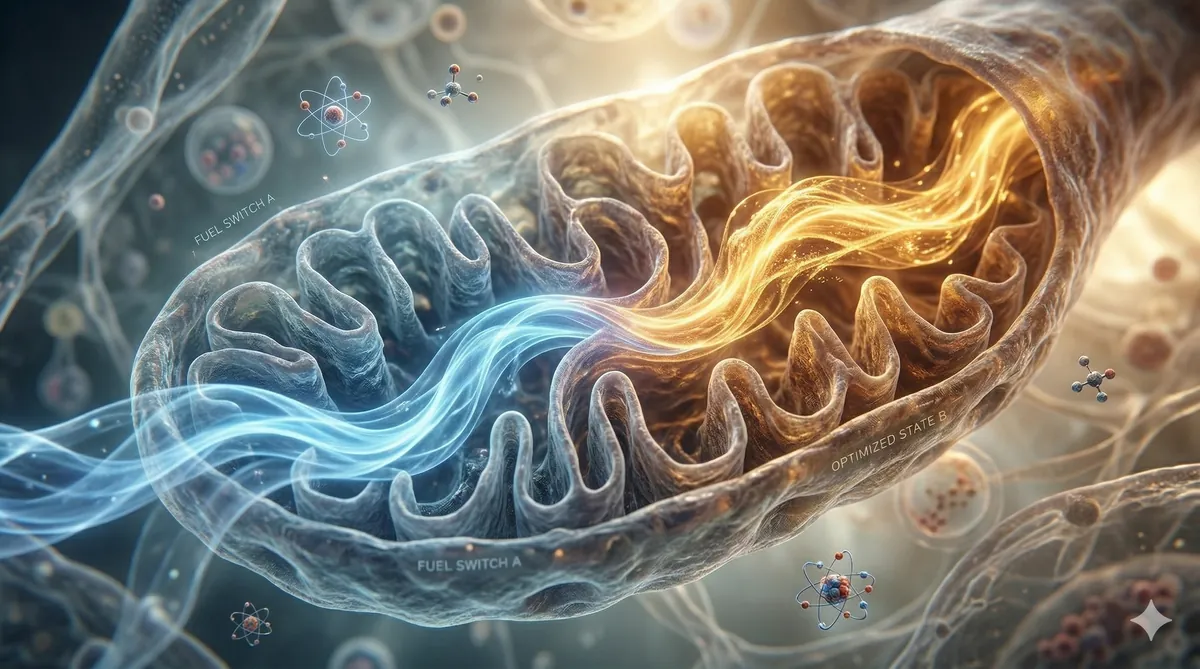
The journey of converting food into energy is often oversimplified. While ATP production is the ultimate goal, the efficiency and choice of energy substrates (glucose, fats, ketones) are critically influenced by internal sensing mechanisms. Mitochondria, often dubbed the 'powerhouses' of the cell, are central to this process. Their mitochondrial function isn't static; it's a dynamic response system, constantly adjusting its output based on the signals received from nutrient sensing pathways. Optimizing this cellular furnace means understanding not just what fuels it, but how efficiently it can switch between different fuels and maximize energy yield without excessive byproducts. As of the latest research from institutions like the Salk Institute, the intricate dance between nutrient availability and mitochondrial dynamics is a key area for enhancing cellular longevity.
The Cellular Metabolic Rate Equation: Why Nuance Trumps Simplicity
The popular conception of 'metabolic rate' often reduces it to a static number, influenced solely by age or activity level. This perspective misses the profound complexity. Your cellular metabolic rate is not a fixed variable but a dynamically regulated process, profoundly influenced by a symphony of internal signals emanating from nutrient sensing pathways, hormonal fluctuations, and even circadian rhythms. It's an equation far more nuanced than simple energy in vs. energy out. The goal isn't just a 'fast' metabolism but a 'flexible' one. This concept, known as metabolic flexibility, describes your body's capacity to efficiently switch between utilizing different energy substrates for fuel. Achieving optimal energy expenditure and metabolic health hinges on cultivating this adaptability, allowing your cells to perform optimally whether you're fueled by carbohydrates or fats. The next shift in metabolic understanding is likely to further emphasize personalized strategies based on individual cellular responsiveness, moving beyond one-size-fits-all recommendations.
💡
Insight Clave
Industry Secret: True metabolic mastery isn't about rigid diets, but about training your cells for metabolic flexibility. This allows for optimal performance and resilience across varied nutritional landscapes.
Phase 2: The Core Regulators – Key `Nutrient Sensing` Pathways & Their Strategic Impact
Phase 2: The Core Regulators – Key Nutrient Sensing Pathways & Their Strategic Impact
Moving beyond the initial detection mechanisms, we delve into the core molecular regulators that translate nutrient signals into profound physiological shifts. These critical nutrient sensing pathways are the master architects of your metabolism, orchestrating everything from cell growth and repair to energy production and waste removal. Understanding their nuanced roles and interconnections is paramount for anyone looking to optimize health, performance, and long-term longevity pathways.
mTOR: The Growth & Anabolism Accelerator – When to Activate, When to Rest
The mammalian Target of Rapamycin (mTOR) pathway is a central regulator of cell growth, proliferation, and survival. Often dubbed the "growth pathway," it primarily senses nutrient availability, particularly amino acids (leucine being a potent activator) and glucose, signaling the cell to enter an anabolic state. When activated, mTOR drives protein synthesis, muscle hypertrophy, and overall cell biomass accumulation. This makes it crucial for tissue repair and adaptation, especially in response to resistance training.
Conversely, inhibition of mTOR occurs during periods of nutrient scarcity, such as fasting or calorie restriction, shifting the cell towards catabolism and cellular recycling processes. While essential for building and repair, chronic, unchecked mTOR activation has been linked to accelerated aging processes and an increased risk of age-related diseases due to persistent anabolism without sufficient periods of cellular clean-up.
💡
Insight Clave
Pro Tip: Strategic mTOR Pulsing: For optimal muscle growth and longevity, consider strategic mTOR activation. Aim for acute activation post-workout with adequate protein intake to maximize anabolism, followed by periods of lower activation (e.g., during fasting or rest days) to allow for cellular repair and autophagy, balancing growth with cellular maintenance.
AMPK: The Energy Scarcity Sensor & Longevity Pathway – Activating Your Cellular Clean-Up Crew
Adenosine Monophosphate-Activated Protein Kinase (AMPK) acts as the cell's primary energy guardian, a master switch that senses declining energy levels. Activated by a rise in the AMP:ATP ratio—signaling low cellular energy—AMPK initiates a cascade of events aimed at restoring energy balance. This includes increasing glucose uptake, boosting fat oxidation for energy, and stimulating mitochondrial biogenesis, which is the creation of new powerhouses within your cells.
Crucially, AMPK is a powerful inducer of autophagy, the cellular process of "self-eating" where damaged organelles and proteins are recycled, promoting cellular rejuvenation and resilience. Activities like intense exercise, caloric restriction, and certain plant compounds (e.g., berberine) are potent activators of this vital longevity pathway.
💡
Insight Clave
Pro Tip: Engage Your Internal Mechanic: Regularly activate AMPK through consistent physical activity, especially high-intensity interval training (HIIT) or prolonged endurance exercise, and consider intermittent fasting protocols. These lifestyle interventions are powerful tools to enhance fat oxidation, improve insulin sensitivity, and drive mitochondrial biogenesis, bolstering your cellular resilience. For deeper insights into therapeutic activation, research compounds like metformin (often used off-label for longevity, consult a healthcare professional).
Sirtuins: Guardians of Cellular Health & Metabolic Adaptability – The Anti-Aging Architects
The Sirtuins are a family of NAD+-dependent deacetylases that play critical roles in regulating cellular health, metabolism, and lifespan across various species. Often referred to as "guardians of the genome," these proteins respond directly to cellular energy status, particularly the availability of NAD+, a coenzyme central to energy metabolism. When NAD+ levels are high (often a signal of nutrient scarcity or energy expenditure), sirtuins become highly active.
Their functions are diverse, encompassing DNA repair, inflammation modulation, mitochondrial function, and gene silencing. Sirtuin activation is strongly linked to improved metabolic health, enhanced stress resistance, and increased lifespan. Key activators include caloric restriction, exercise, and certain plant polyphenols like resveratrol.
💡
Insight Clave
Pro Tip: Fueling Your Sirtuins: To support your "anti-aging architects," focus on strategies that boost intracellular NAD+ levels. This includes regular exercise, periods of fasting or caloric restriction, and consuming NAD+ precursors or sirtuin-activating compounds found in foods like red wine, berries, and green tea.
Cross-Talk & Synergy: How These Pathways Orchestrate Cellular Energy Regulation
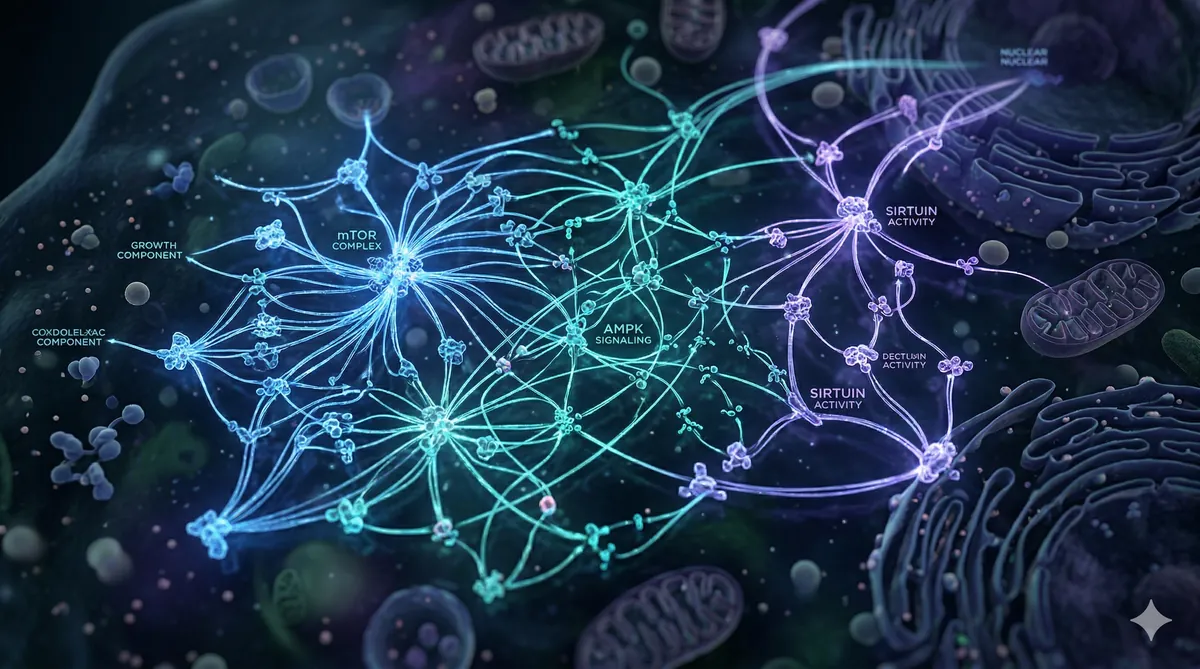
It's crucial to understand that mTOR, AMPK, and sirtuins do not operate in isolation. Instead, they form an intricate and highly regulated network of nutrient sensing pathways, constantly communicating and counter-regulating to maintain cellular homeostasis. This complex pathway interaction dictates overall cellular energy regulation and metabolic flexibility.
For example, AMPK generally inhibits mTOR, shifting the cell from growth to repair, while sirtuins can influence both pathways, often working synergistically with AMPK to promote longevity. This delicate balance allows cells to adapt swiftly to changing nutrient environments, ensuring survival and optimal function. A robust understanding of this cross-talk enables more sophisticated strategies for health optimization.
Cultivating metabolic flexibility—the ability to efficiently switch between fuel sources—is a hallmark of optimal health, and it is largely governed by the coordinated action of these core regulators. By understanding how to strategically modulate each pathway, individuals can exert greater control over their metabolic destiny and unlock significant improvements in health and performance.
Phase 3: Optimizing Your `Cellular Energy Code` – Strategic Interventions for Peak Performance
Welcome to Phase 3, where we shift from understanding to action. This segment is your blueprint for optimizing nutrient sensing for energy efficiency through strategic interventions. We're diving deep into bio-optimization strategies that move beyond generic advice, offering a professional lens on how to fine-tune your cellular machinery for peak metabolic performance.
Dietary Strategies: The Direct Impact of Diet on Cellular Nutrient Sensors
Your plate is a powerful signaling tool, directly influencing how your cells perceive nutrient availability and subsequently regulate energy production and storage. Mastering the impact of diet on cellular nutrient sensors is foundational for optimizing nutrient sensing for energy efficiency.
Macronutrient Ratios: Beyond the Standard Pyramid
Forget one-size-fits-all dogma. While general guidelines exist, truly effective macronutrient ratios are highly individualized. Precision nutrition is paramount. For instance, a diet higher in healthy fats and moderate protein might downregulate mTOR signaling, while strategic carbohydrate timing can optimize glycogen replenishment and insulin sensitivity.
💡
Insight Clave
To truly personalize your macronutrient strategy, consider metabolic testing or working with a practitioner experienced in continuous glucose monitoring (CGM). This provides real-time data on how your body responds to specific foods and combinations, allowing for unparalleled precision in influencing your cellular nutrient sensors.
The practice of intermittent fasting (IF) and exploring caloric restriction mimetics are potent tools for modulating nutrient sensing pathways. By creating periods of nutrient scarcity, IF activates AMPK (a key energy sensor) and can inhibit mTOR, promoting cellular repair processes like autophagy. This strategic stress teaches your cells to become more efficient.
Caloric restriction mimetics, found in certain plant compounds, can offer similar benefits without the need for strict calorie reduction, activating pathways typically associated with longevity and enhanced metabolic flexibility.
💡
Insight Clave
When implementing intermittent fasting, prioritize nutrient density during eating windows. The goal isn't just to eat less often, but to ensure your body receives all essential micronutrients. Focus on whole, unprocessed foods to provide the necessary building blocks for robust cellular function, even as you cycle through periods of fasting.
Timing & Rhythms: Leveraging Circadian Biology for Metabolic Advantage
Beyond what you eat, when you eat and sleep profoundly influences your `cellular energy code`. Our biology is intrinsically linked to the circadian rhythm, the approximately 24-hour cycle that governs virtually every physiological process, including `nutrient sensing` and `cellular metabolic rate`. Disregarding these internal clocks can lead to metabolic dysregulation.
Chrononutrition: Eating with Your Internal Clock
Chrononutrition emphasizes aligning food intake with your natural biological rhythms. Research suggests that consuming the majority of your calories earlier in the day, within a consistent eating window, can enhance insulin sensitivity, improve glucose control, and support optimal fat metabolism. This practice works by synchronizing nutrient delivery with the peak activity of metabolic enzymes and hormone secretion patterns, effectively enhancing your metabolic timing.
As highlighted by NIH Research Matters, disruptions to circadian rhythms, such as irregular meal times or shift work, can impair metabolic health by desynchronizing key energy pathways.
💡
Insight Clave
Aim for consistency in your meal timing, even on weekends. Your body thrives on predictability. Establish a regular eating window and strive to consume your last meal several hours before bedtime to allow for proper digestion and to support the nocturnal restorative processes.
Sleep: The Unsung Hero of Metabolic Health
Quality sleep is not merely rest; it's an active period of repair and metabolic regulation. Insufficient or poor-quality sleep can disrupt hormones like leptin and ghrelin, affecting appetite and satiety, and impair insulin sensitivity. This directly impacts how your cells sense and utilize nutrients, impeding `optimizing nutrient sensing for energy efficiency`.
Prioritizing 7-9 hours of consistent, restorative sleep each night is a non-negotiable component of any serious `bio-optimization` strategy.
Targeted Support: Bio-Optimizing Nutrient Sensing Pathways with Precision Compounds
For those seeking advanced `bio-optimization`, specific bioactive compounds offer a sophisticated means of modulating `nutrient sensing` pathways. This approach, known as targeted supplementation, aims to enhance cellular signaling for improved energy efficiency and metabolic resilience.
Modulating Key Pathways: mTOR, AMPK, and Sirtuins
Several well-researched compounds can influence the central regulators of `nutrient sensing`:
Resveratrol: Found in grapes and berries, resveratrol is celebrated for its ability to activate sirtuins, particularly SIRT1. Sirtuins are a family of protein deacetylases that play crucial roles in cellular metabolism, DNA repair, and gene expression, often linked to longevity pathways. As noted by NCBI research, resveratrol’s sirtuin-activating properties contribute to its metabolic benefits.
Berberine: This alkaloid, extracted from various plants, is a potent activator of AMPK. By boosting AMPK activity, berberine helps improve glucose uptake, reduce glucose production in the liver, and enhance fatty acid oxidation. Studies published in NCBI highlight its role in metabolic health.
Alpha-Lipoic Acid (ALA): A powerful antioxidant, ALA also functions as a coenzyme in mitochondrial metabolism and can activate AMPK, similar to berberine. It helps improve insulin sensitivity and reduce oxidative stress, both critical for efficient `nutrient sensing`.
NAD+ Precursors (NMN/NR): Nicotinamide Mononucleotide (NMN) and Nicotinamide Riboside (NR) are precursors to Nicotinamide Adenine Dinucleotide (NAD+), a coenzyme essential for hundreds of metabolic processes, including those regulated by sirtuins and PARPs. Boosting NAD+ levels is a cutting-edge strategy for enhancing cellular energy and repair mechanisms, thus supporting `optimizing nutrient sensing for energy efficiency`.
💡
Insight Clave
When considering targeted supplementation, the importance of bioavailability and product quality cannot be overstated. Look for reputable brands that provide third-party testing, transparent sourcing, and forms of compounds known for superior absorption. For instance, some forms of resveratrol are significantly more bioavailable than others.
While these compounds offer promising avenues for `bio-optimization`, they should be integrated thoughtfully within a broader strategy encompassing diet, exercise, and lifestyle, and ideally, under the guidance of a qualified health professional.
Advanced Nuances: Navigating the Complexities of `Metabolic Rate Control`
Understanding the fundamental principles of nutrient sensing is merely the entry point. For those aiming to truly optimize their physiology and navigate the complex landscape of health, grasping the advanced nuances of metabolic rate control is paramount. This section moves beyond the theoretical, addressing the real-world challenges, common bio-hacking pitfalls, and the ever-evolving scientific frontier that shapes truly effective metabolic strategies.
The Challenge of Individual Variability: Why One-Size-Fits-All Fails
In the realm of nutrient sensing and its impact on energy metabolism, the concept of individual variability cannot be overstated. Generic advice, while well-intentioned, often falls short because it neglects a multitude of factors that dictate an individual's unique metabolic response. These include:
Genetics: Predispositions encoded in our DNA influence everything from enzyme activity to receptor sensitivity, profoundly impacting how we process nutrients and regulate energy.
Lifestyle Factors: Chronic stress, sleep deprivation, physical activity levels, and even environmental exposures dynamically modulate metabolic pathways.
Gut Microbiome Composition: The unique ecosystem of microorganisms residing in our gut plays a critical role in nutrient absorption, synthesis of bioactive compounds, and direct signaling to host metabolic systems.
Current Health Status: Underlying inflammation, hormonal imbalances, and existing health conditions significantly alter how the body senses and responds to nutrient signals.
Ignoring these intricate interplays leads to suboptimal outcomes and contributes to the frustration many experience with generalized health recommendations. True optimization necessitates a personalized nutrition approach, meticulously tailored to an individual's specific biological blueprint.
💡
Insight Clave
Pro Tip: Before embarking on any aggressive dietary or supplementation strategy, consider foundational assessments. Advanced genetic testing (e.g., for MTHFR, APOE variants), comprehensive stool analysis, and detailed metabolic panels can reveal crucial insights into your unique physiology, sidestepping common bio-hacking pitfalls rooted in a lack of personalization.
Beyond the Basics: Emerging Molecular Pathways of Metabolic Rate Control
The science of cellular energy regulation is a rapidly evolving field. While traditional hormones like insulin and glucagon remain central, cutting-edge emerging research continually uncovers sophisticated molecular pathways of metabolic rate control that offer deeper insights and potential therapeutic targets. Understanding these less-charted territories is a hallmark of truly advanced metabolic optimization:
Fibroblast Growth Factor 21 (FGF21): Often referred to as a "hormone of starvation" or a "metabolic stress hormone," FGF21 plays a pivotal role in regulating glucose and lipid metabolism, enhancing insulin sensitivity, and promoting mitochondrial function. Its therapeutic potential in conditions like obesity and type 2 diabetes is a major focus of current drug development.
Growth Differentiation Factor 15 (GDF15): This stress-responsive cytokine acts on the brainstem to suppress appetite and reduce body weight, often elevated during metabolic distress. Modulating GDF15 pathways presents another avenue for metabolic intervention, particularly in weight management.
MicroRNAs (miRNAs): These small non-coding RNA molecules act as post-transcriptional regulators, influencing gene expression across virtually all biological processes, including metabolism. Specific miRNAs have been identified as crucial modulators of insulin sensitivity, adipogenesis, and mitochondrial biogenesis, offering a granular layer of control over metabolic fate.
The integration of these nuanced pathways into our understanding fundamentally shifts the paradigm of metabolic rate control, moving us closer to truly precision-based interventions.
The Time-Tested Principle: Adapting to Your Body's Evolving Needs
Metabolic health is not a destination but a dynamic, lifelong journey. The most successful strategies for metabolic rate control are built upon the adaptive strategies principle: continuous observation, learning, and adjustment. What works optimally at one life stage, under specific stress levels, or with particular goals, may require recalibration as circumstances shift.
Embracing lifelong learning about your unique physiology is non-negotiable. This involves active self-monitoring through various means—from tracking energy levels and sleep quality to utilizing advanced wearable tech and periodic lab work. As of the latest consensus from the American Society for Nutrition, a proactive, data-driven approach remains the gold standard for sustained metabolic well-being. The principles discussed here are not static; they represent evergreen principles that guide intelligent adaptation.
💡
Insight Clave
Industry Secret: The mark of a true metabolic master isn't rigid adherence to a single protocol, but the agility to pivot. Continuously evaluate your chosen strategies against real-world data and your evolving physiological feedback. This iterative process of refinement is the ultimate safeguard against stagnation and unforeseen bio-hacking pitfalls.
The Faster Way to Master Your `Cellular Energy Code`: Precision Without the Headache
Understanding your `cellular energy code` and the intricate dance of `nutrient sensing` offers a profound path to optimizing metabolism, energy, and longevity. However, translating advanced scientific principles into a practical, personalized daily regimen is where many high-performance individuals hit a wall. The promise of `nutrient sensing optimization` often gets buried under the sheer volume of research and the complexity of bespoke implementation. BalancedNatural offers a `time-saving solution` through its `personalized bio-optimization blueprint` and `precision protocol generator`, designed to deliver expert guidance without demanding you become a full-time bio-hacker.
The Gap of Pain: Why Manual Optimization is a Full-Time Job
The allure of self-optimization is strong, but the reality of manually navigating `nutrient sensing` strategies quickly reveals a significant `time commitment`. Individuals often face `information overload`, sifting through countless conflicting studies on everything from caloric restriction mimetics to specific amino acid ratios. Understanding individual variability – how your unique genetics, microbiome, and lifestyle interact with specific nutrients – adds another layer of complexity. Achieving precise dosing, integrating multiple strategies seamlessly, and then continually adjusting protocols based on real-time feedback is an intricate dance. This level of detail makes manual `nutrient sensing optimization` unsustainable for most, even for highly intelligent and disciplined individuals, leading to frustration and suboptimal outcomes. The `risk of error` is high, from misinterpreting research to incorrect application, which can negate potential benefits or even introduce unforeseen issues.
💡
Insight Clave
Pro Tip: Attempting to manually synthesize cutting-edge metabolic research for `nutrient sensing optimization` often leads to analysis paralysis and inconsistent results. The sheer volume of data and the need for personalized interpretation can quickly transform a pursuit of health into a significant `time commitment` and a `risk of error` for even the most dedicated individuals.
Your Precision Playbook: A Strategic Partner for `Optimizing Nutrient Sensing`
BalancedNatural bridges this knowledge-to-action gap, serving as your strategic partner in `optimizing nutrient sensing`. Our approach translates complex metabolic science into a clear, bespoke, and continuously updated strategy. The `personalized bio-optimization blueprint` leverages advanced diagnostics and your unique profile to generate a `precision protocol generator` specifically tailored for you. This includes `customized supplement stacking`, dietary recommendations, and lifestyle adjustments, all designed to enhance `energy efficiency` and drive `peak longevity`. We provide the `expert guidance` necessary to implement and dynamically adjust your protocols, ensuring your body's `nutrient sensing` pathways are continuously fine-tuned. This isn't just a plan; it's your Precision Playbook for Peak Longevity, evolving with you and the latest scientific advancements, ensuring consistent progress without the daily burden of endless research.
💡
Insight Clave
Industry Secret: True `nutrient sensing optimization` isn't about following generic advice; it demands a dynamic, `personalized bio-optimization blueprint`. BalancedNatural's `precision protocol generator` offers a `time-saving solution` by continuously adapting your `customized supplement stacking` and lifestyle interventions, effectively acting as your outsourced `expert guidance` for `peak longevity`.
Preguntas Frecuentes
What is the primary role of nutrient sensing in the body?
Nutrient sensing is the cellular process of detecting nutrient availability. Its primary role is to inform cells about their energy status, allowing them to regulate essential functions like growth, repair, and energy metabolism, thereby controlling the overall cellular metabolic rate.
Can diet truly impact cellular nutrient sensors?
Yes, diet significantly impacts cellular nutrient sensors. The types and amounts of macronutrients consumed, as well as feeding and fasting cycles, directly influence the activity of key pathways. For instance, nutrient abundance can activate mTOR, while nutrient scarcity or fasting can activate AMPK.
Are there supplements that can optimize cellular energy regulation?
Certain compounds like NMN, resveratrol, and berberine are currently being studied for their potential to modulate cellular energy regulation pathways such as sirtuins, AMPK, or mTOR. While research is ongoing, it's crucial to prioritize quality, consult scientific evidence, and seek personalized guidance from a healthcare professional before considering supplementation.
How does mTOR differ from AMPK in cellular energy regulation?
mTOR (mechanistic Target of Rapamycin) is a pathway activated by nutrient abundance, promoting cell growth, protein synthesis, and proliferation. In contrast, AMPK (AMP-activated protein kinase) is activated during nutrient scarcity or low energy states, stimulating energy conservation, catabolism, and cellular repair processes. They represent opposing yet complementary forces that maintain cellular energy balance.
What are sirtuins and why are they important for metabolism?
Sirtuins are a family of NAD+-dependent enzymes that play critical roles in various cellular processes. They are essential for DNA repair, modulating inflammation, and maintaining metabolic health, thereby influencing cellular energy regulation and overall longevity.